Inspection for Blockage & Scaling Risk Assessment
| Endobot
Hydrabad
PROJECT OVERVIEW
A residential campus in Hyderabad required internal inspection of its water-supply network. Solinas inspected approximately 2.14 km of HDPE water pipelines through existing valve access points to diagnose blockages, scaling deposits and flow-restriction risks.
TECHNOLOGY USED
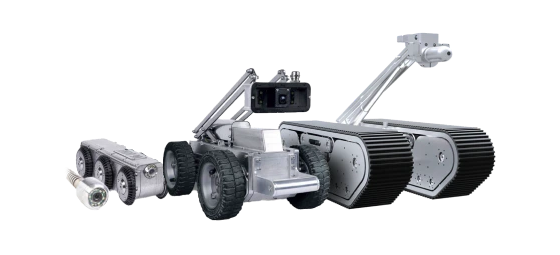
Endo90 for internal water-pipeline inspectionEndoCam for valve-based visual inspection GIS mapping and defect localization Severity grading and risk-rating framework via SWASTH
PROJECT EXECUTION
The campus water network had limited internal visibility, recurring blockage risk and several valve-to-valve stretches classified as high risk. Solinas deployed Endo90 and EndoCam through available valves to capture live visuals, localize defects and assess small-diameter HDPE water pipelines without creating additional access pits. Each inspected stretch was documented with GIS references, distance markers, severity grades, risk ratings and recommendations for cleaning, monitoring or replacement.
FINDINGS & IMPACT
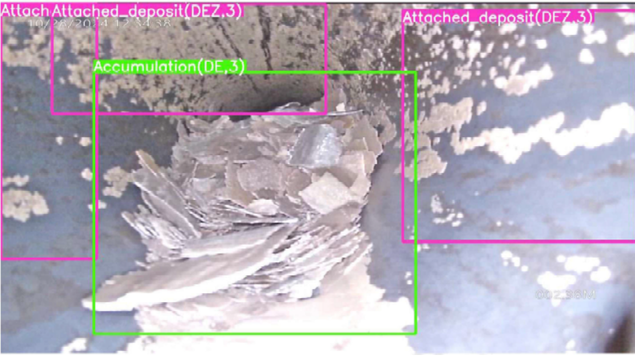
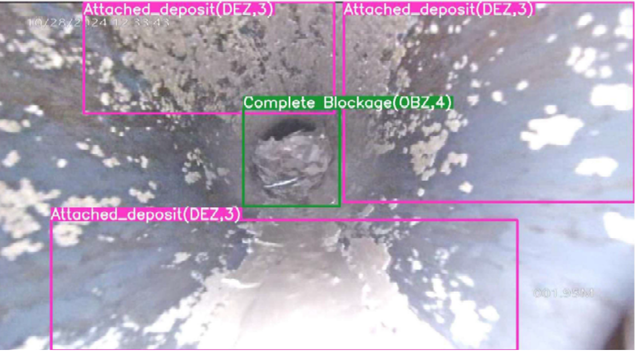
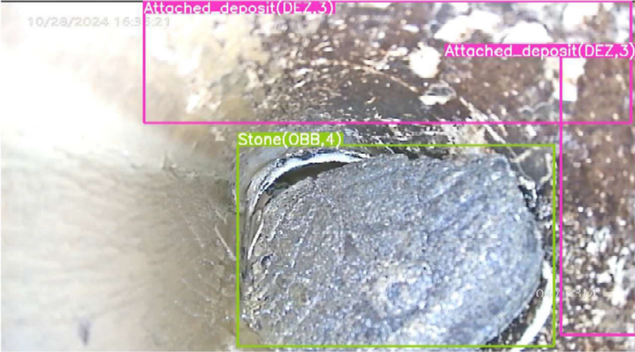
The inspection identified widespread scaling deposits, mineral buildup, settled deposits, partial/complete blockages, pipe-joint deformation, bulged pipe sections and crack/damage risks. Multiple high-risk stretches showed severe flow restriction, with blockage levels reaching up to 90% in critical areas. The output helped the campus team prioritize immediate cleaning, continued monitoring and targeted repair or replacement planning.
2 KM
water pipeline network inspected 30+ pipeline valve/line sections reviewed
90%
blockage observed in critical sections
PROJECT BENEFITS
Blockage Diagnosis: Identified internal causes of restricted water flow. Non-Intrusive Inspection: Used existing valves without additional access pits. Targeted Maintenance Planning: Prioritized high-risk stretches for cleaning and repair. Asset Condition Baseline: Created documented defect records for future monitoring.