Building a recurring inspection–cleaning–verification cycle for Chennai’s underground stormwater drains

PROJECT AT A GLANCE

A comprehensive overview of our engineering deployment and advanced asset digitisation efforts to sustain robust urban water networks.

4 GCC Zones

Active Programme Coverage

Up to 100%

Pre-clean Debris at Severe Points

0–5%

Post-clean Residual Debris

THE SITUATION

For GCC, maintaining underground stormwater drains is not only about carrying out desilting. The bigger challenge is knowing what condition exists inside the drain before cleaning and whether the required section has actually been cleared afterwards.\n\nAcross the programme, settled sludge and debris emerged as the dominant recurring condition. Severity varied sharply: some stretches recorded moderate accumulation, while heavily affected drains reached 80–100% debris at sampled locations.\n\nHeavy sludge accumulation was repeatedly observed across inspected stormwater drain stretches, with several sections showing 80–100% debris at sampled points and others recording moderate but persistent accumulation.\n\n-Field condition reports
Solinas Pipeline Diagnostics

Data-Driven Infrastructure Intelligence

Robotic Inspection

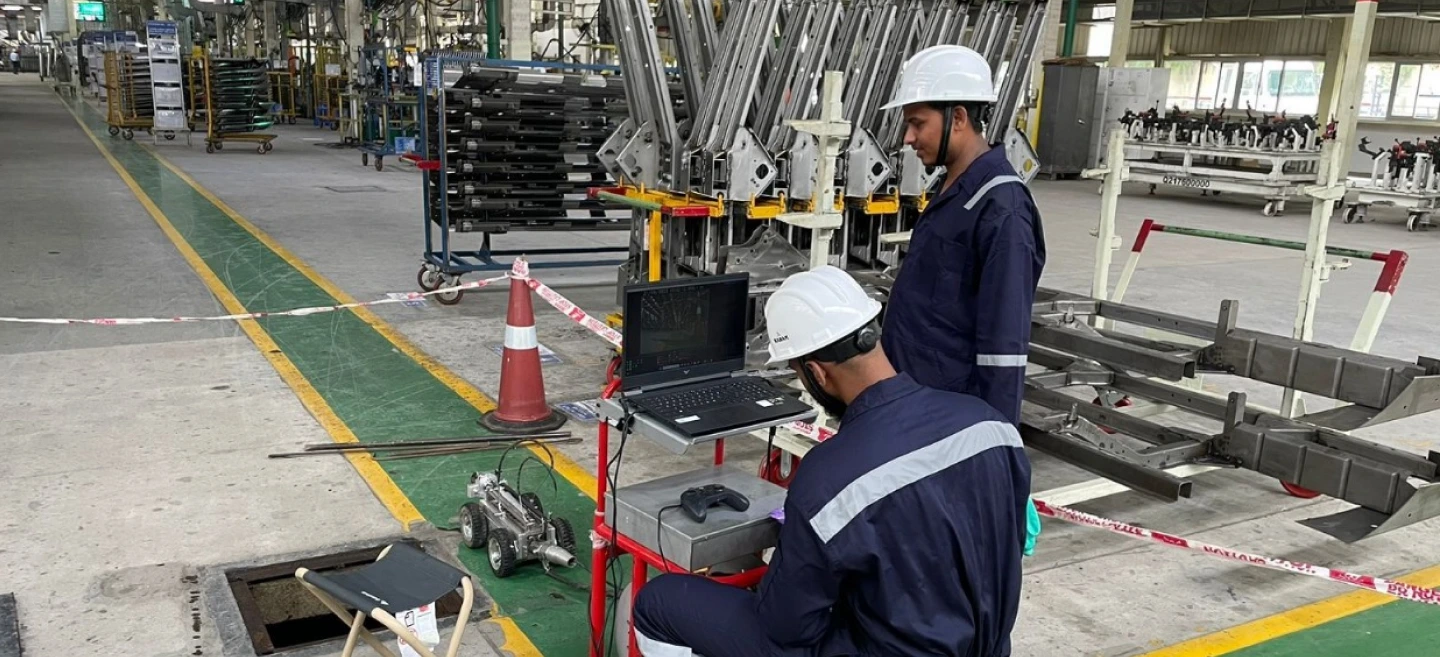
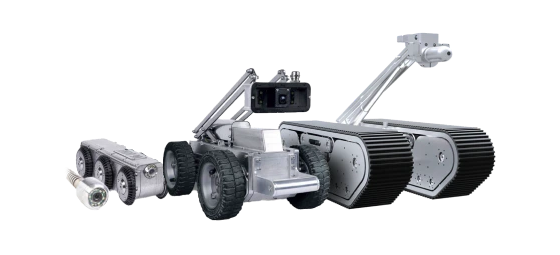
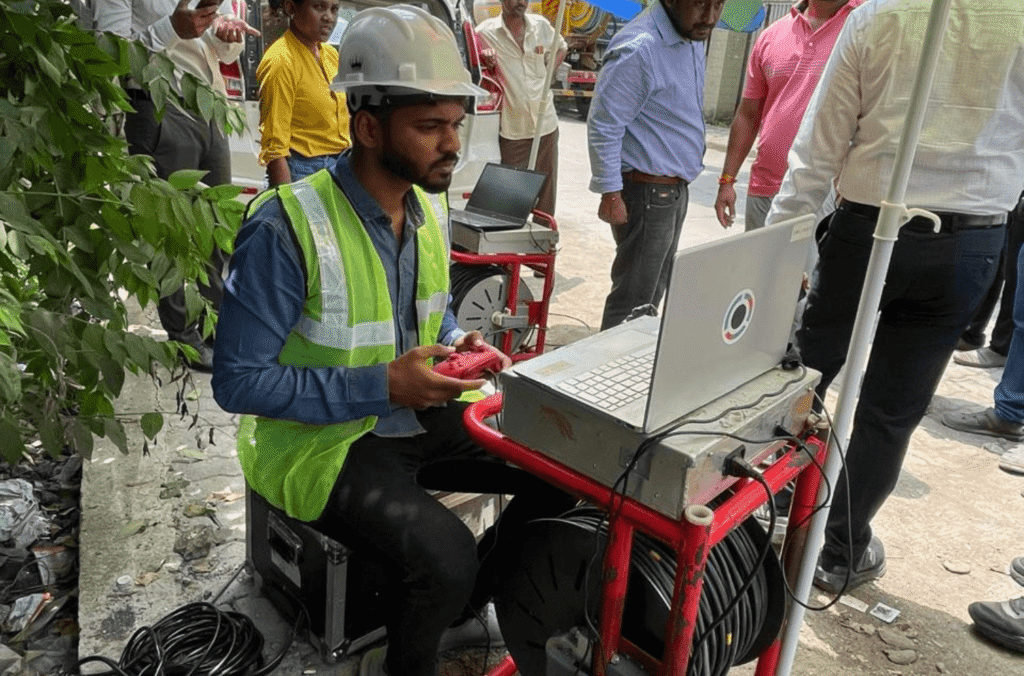
Robotic internal inspection captured drain condition by distance / chainage, enabling teams to locate settled deposits before cleaning and document the residual condition after desilting.

Swasth AI

Inspection footage was converted into site-level condition records with inspection stage, defect type, chainage, severity grade and debris percentage where quantified — creating a recurring before/after history.

THE NETWORK CONDITIONS OBSERVED

Primary Use Case

Settled Deposit

Peak Blockage

Up to 100%

HIGH-SEVERITY CONDITIONS

Grade 4 – 5

NETWORK COVERAGE

0–5%

PIPELINE RANGE

808 m

KEY OBSERVATIONS

|
Zone 4: 55% to 80% -> 2% to 4%
|
Zone 5: 50% to 88% -> 0% to 5%
|
Zone 7: 10% to 55% -> 1% to 4%
|
Zone 9: 60% to 100% -> 2% to 4%

DEFECT CATEGORIES

Obstruction
0 %
Settled Deposits
0 %
Attached Deposits
0 %
Surface Damage
0 %
Infiltration
0 %

The robotic inspection methodology and digital dashboard insights significantly aided the Corporation in timely, transparent, and informed decision-making, while strengthening monitoring standards and quality assurance in stormwater drain maintenance works.

- Deputy Commissioner (Works), Greater Chennai Corporation

Chairman, BWSSB and MD, KPTCL, at the time of the statement

SOLINAS IMPACT

A direct comparison demonstrating how Solinas deep-tech robotic solutions redefine efficiency, safety, and precision in water infrastructure management over conventional methodologies.

Parameter

Conventional

With Solinas

Change

Investigation cost per confirmed issue

₹75,000

₹15,000

80% lower

Time to assess and verify an affected section

4 days

Under 1 day

3 days saved

Access points/openings per confirmed issue

6 exploratory openings

1 targeted access point

5 openings avoided

Lower Investigation Cost
0 %
Detection Time Saved
0 Days
Excavations Avoided
0 Pits
SOLINAS CASE STUDY

LOOKING AHEAD

Each inspection adds information to BWSSB’s water network records. The records can show where leakage, blockage and contamination occur repeatedly. They can also help BWSSB identify pipelines that need priority maintenance.
Scroll to Top