
Insights From Solinas
By Amreen, Team Solinas
Alarming numbers show a trend?
Rising cases of acute diarrhoea, typhoid & other diseases across northern India are renewing concerns about the safety of drinking water and the condition of the infrastructure that delivers it. Recent health data from Punjab, Haryana, and Himachal Pradesh shows that thousands of people continue to fall ill each year due to preventable water-related illnesses, a signal that the problem runs deeper than isolated outbreaks.
In Punjab, 2025 data shows over 8,000 cases of acute diarrhoeal diseases (ADD) and more than 9,000 cases of typhoid, alongside reported cases of hepatitis, leptospirosis, and cholera. Haryana recorded an even higher burden, with tens of thousands of ADD cases and a sustained rise in typhoid infections. Himachal Pradesh, despite a decline compared to earlier years, still reported nearly 30,000 ADD cases and thousands of typhoid infections. Taken together, these figures highlight a persistent public health challenge affecting both plains and hill states alike.
The Pipeline-inspection Connect
While medical treatment and disease surveillance remain essential, public health experts increasingly point to water infrastructure as a critical part of the solution with dire need for underground pipeline inspection even before a disease outbreak begins.
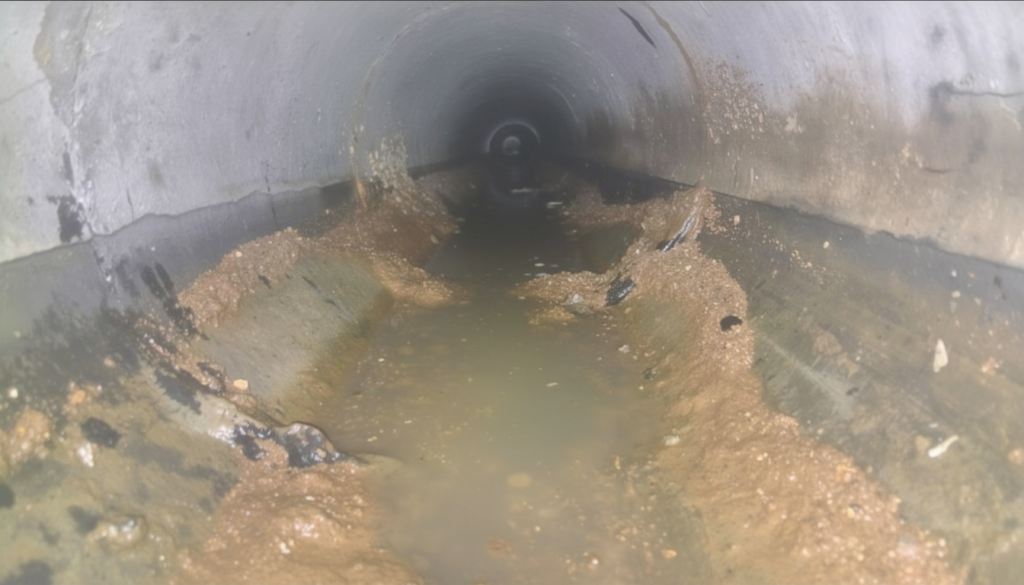
Water contamination often occurs long before it is detected at the tap, frequently originating within damaged or poorly maintained underground pipelines. Cracks, corrosion, leakages, and pressure fluctuations can allow sewage, chemicals, and other pollutants to seep into drinking water supplies, especially in aging distribution networks. Because these systems run underground and out of sight, contamination can persist unnoticed for long periods, increasing the risk of widespread exposure. Regular pipeline inspection plays a crucial preventive role by identifying vulnerabilities early, helping authorities intervene.
Regular inspection of underground water pipelines enables early detection of cracks, leakages, and potential contamination points. With the use of AI-based detection tools,and mapping it becomes easier to accurately identify problem areas, allowing authorities to address the root cause before minor defects escalate into larger public health risks.
Strengthening pipeline inspection and monitoring practices today could play a decisive role in preventing future outbreaks and averting larger health crises in the years ahead.