EndoBot diagnostics move Kolhapur's water network from reactive, complaint-driven repair to targeted, data-led maintenance

PROJECT AT A GLANCE

Kolhapur Impact Case Study

11.45 km

Pipeline Inspected

186

issues identified

Sep '25 – Feb '26

Assessment Period

THE SITUATION

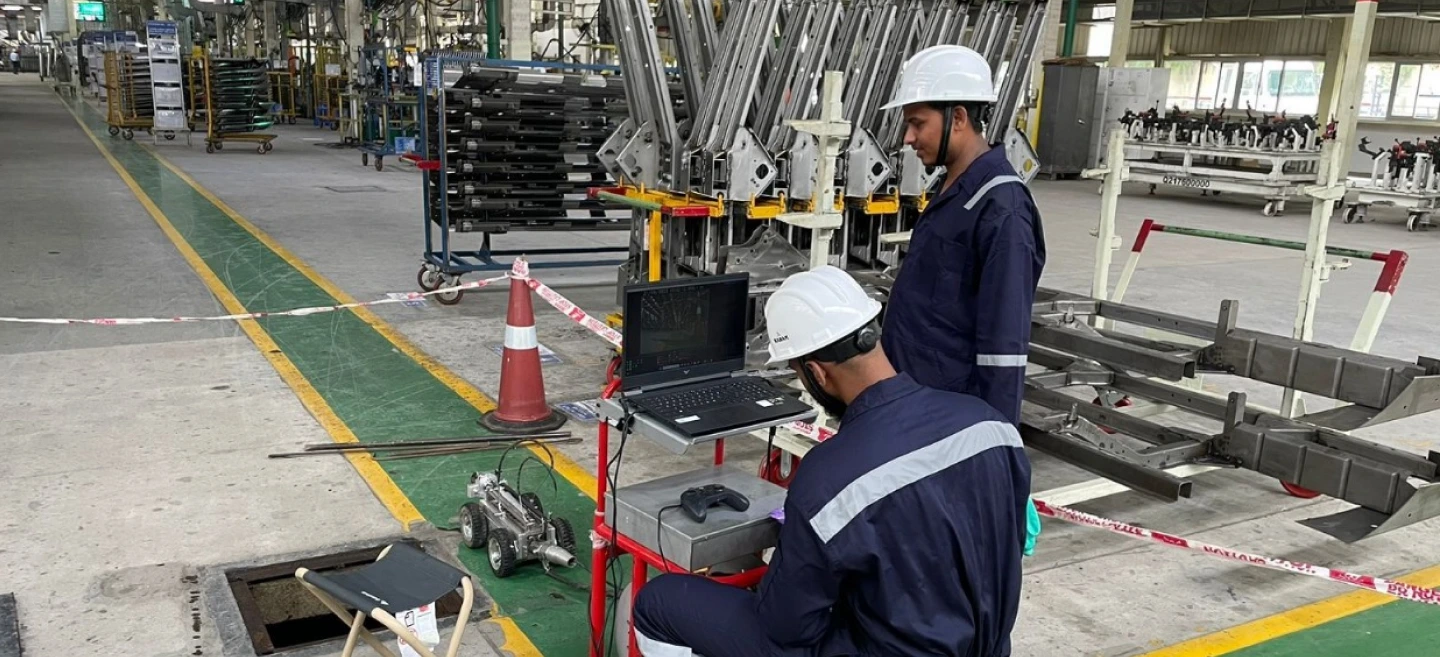
Kolhapur’s distribution network combines aging, largely undocumented pipelines with newer infrastructure laid under AMRUT. Real-time monitoring covers only part of the city, and maintenance has historically been reactive: faults were located through trial-and-error excavation, typically triggered by a citizen complaint rather than a scheduled inspection. Field teams had no way to see inside a pressurised pipeline, so identifying the source of a leak, blockage, or contamination event meant repeated, uncertain digging along a suspected stretch of pipe.
THE INTERVENTION

Robotic Inspection & Swasth AI

Robotic Inspection

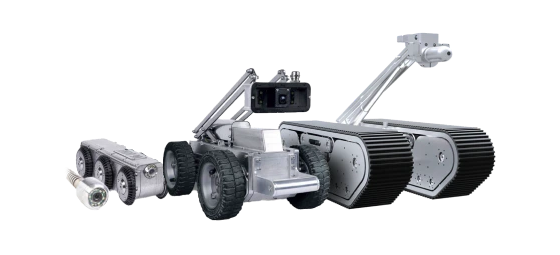
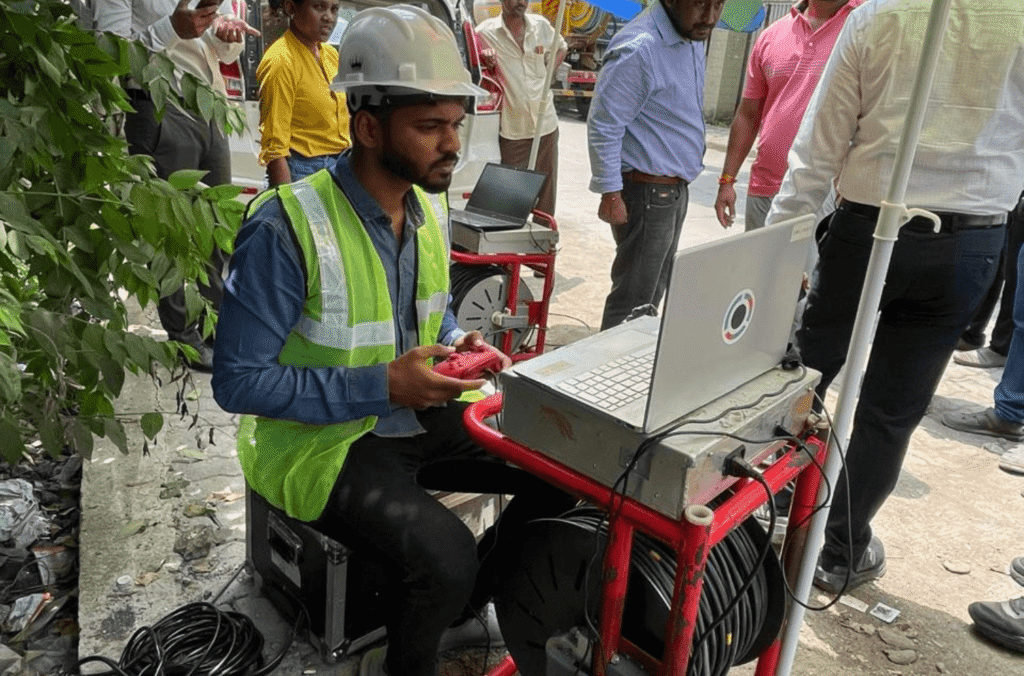
An indigenous robotic system that enters a live, pressurised pipeline through a single access point and captures high-resolution footage of its internal condition without shutting off supply or excavating first.

Swasth AI

A cloud platform that processes EndoBot footage, classifies each defect, grades pipeline condition on a five-point severity scale, and returns a GPS-located, site-specific report, turning inspection into a targeted repair instruction.

METRICS

WATER SUPPLY

60 – 62 MLD

NON-REVENUE WATER

38 – 40 %

SUPPLY HOURS

8–12 h/day

VOLUMETRIC BENEFITS

23.4 ML / month

169 leak & contamination points located

HUMAN IMPACT AND REACH

~10,700 residents

Population served along the inspected network

WHAT CHANGED ON THE GROUND

|
“Before installing the camera, the water had a bad smell, indicating contamination or stagnation. After the inspection system was installed and corrective action taken, the smell disappeared — the water quality is now normal and free from unpleasant odour.” – Resident, affected ward
|
“The robot has simplified work processes overall. One major operational change is the reduction in unnecessary digging — previously, large areas had to be excavated to locate problems; now excavation is limited only to the exact location of the fault identified by the robot.” – Field Supervisor, Kolhapur Municipal Corporation

ISSUE MIX

Leak and contamination
0
Supply integrity
0
Deformation
0
Structural Defects
0
Total Defects
0

Before installing the camera, the water had a bad smell, indicating contamination or stagnation. After the inspection system was installed and corrective action taken, the smell disappeared — the water quality is now normal and free from unpleasant odour

- Resident, affected ward

The robot has simplified work processes overall. One major operational change is the reduction in unnecessary digging — previously, large areas had to be excavated to locate problems; now excavation is limited only to the exact location of the fault identified by the robot.

- Field Supervisor, Kolhapur Municipal Corporation

SOLINAS IMPACT

A direct comparison demonstrating how Solinas deep-tech robotic solutions redefine efficiency, safety, and precision in water infrastructure management over conventional methodologies.

Parameter

Conventional

With Solinas

Change

Cost per defect detected (INR)
~53,000
~9,300
-82%
Time to locate defect
3–5 days
Under 1 day
~4 days saved
Excavations per defect
6–8 (trial & error)
1–2 (targeted)
5 fewer pits / defect
Lower Investigation Cost
0 %
Detection Time Saved
0 Days
Excavations Avoided
0 Pits
SOLINAS CASE STUDY

LOOKING AHEAD

Field teams describe EndoBot as a standard part of daily operations rather than a pilot novelty, and KMC has submitted a procurement proposal for its own unit — a shift from vendor-dependent piloting toward institutional ownership. The municipality has requested a structured, multi-month training programme so its own staff can operate the system independently, with vendor support reserved for technical issues.
Scroll to Top