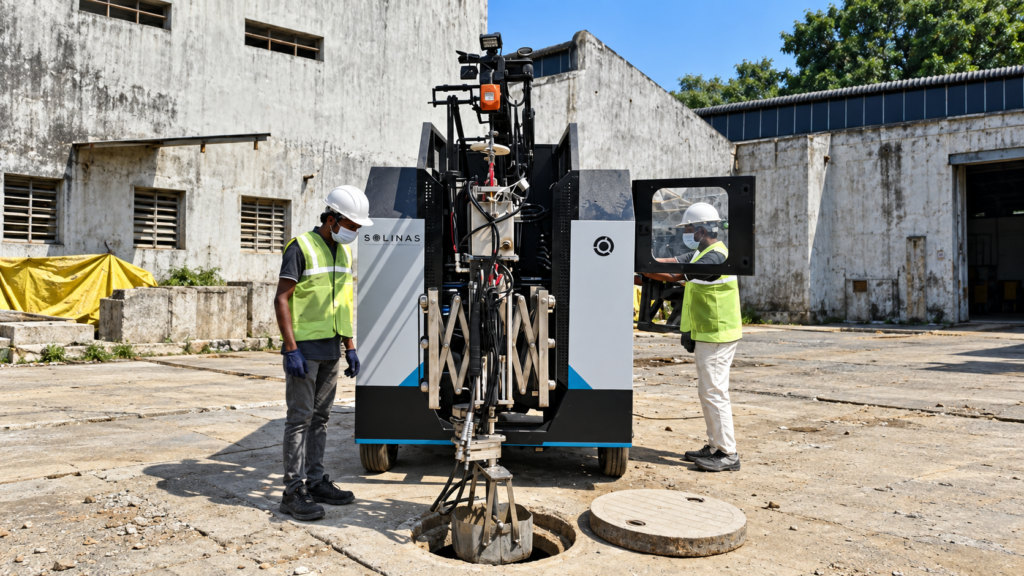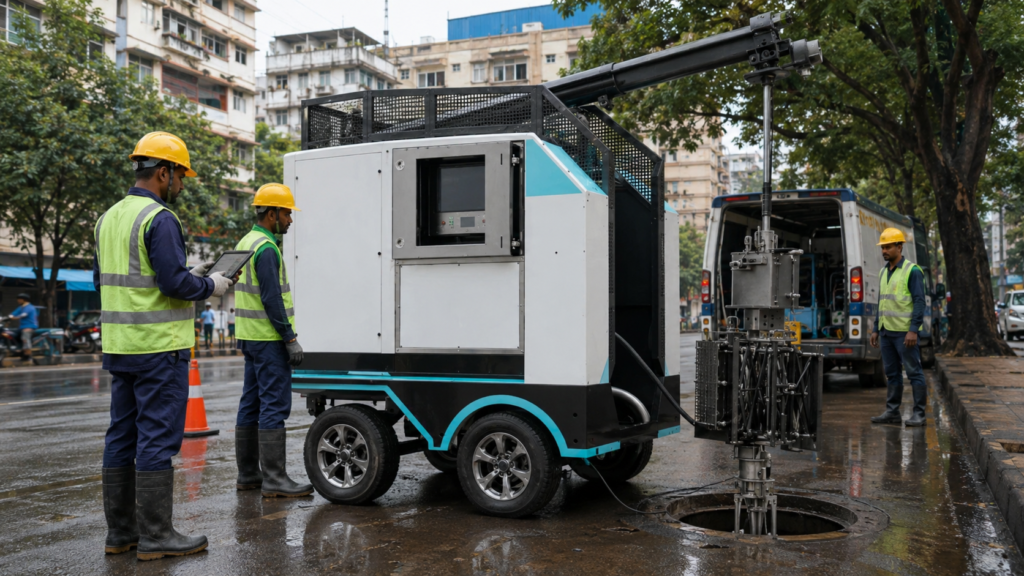
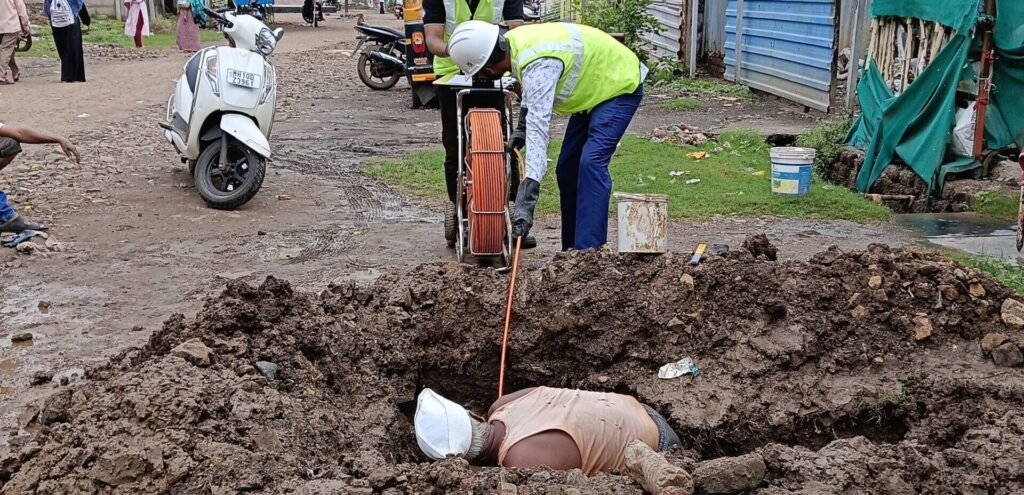
In Hyderabad, Swasth AI analyses footage captured by Endobot inspection robots to identify cracks, blockages, leaks, and damaged joints. It grades defects by severity and links them to locations on a GIS map, allowing HMWSSB engineers to review the footage, verify problems, and prioritise repairs.
Why is it more than just a complaint?
If a resident in Hyderabad calls in a complaint about water quality, low pressure, or a burst, the utility will know there is an issue somewhere.
However, they won’t know what the cause is or where it is.
Is it a misalignment? A Crack? An illegal connection? Or a build-up?
The answer lies somewhere within the vast pipework running under the markets, flyovers, and busy residential areas.
We have partnered with the Hyderabad Metropolitan Water Supply and Sewerage Board (HMWSSB) to provide a solution. We have developed a solution using Endobot (our pipe inspection robot) and Swasth AI (an AI powered pipeline inspection and defect analysis software) that provides the maintenance teams visibility, insight, and action.
Starting as a 4 km, 1-month pilot in June 2025, we have now developed a long-term solution spanning over 133 km of the water network in Hyderabad.
Here are some highlights from the initiative.
How Endobot and Swasth AI Work Together?
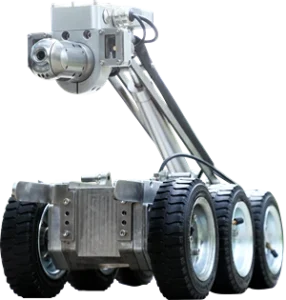
Endobot is our pipeline inspection robot. Its camera sends live video from inside buried water pipes, helping crews see cracks, damaged joints, and blockages from the surface.
Swasth AI is our AI-powered pipeline inspection software. It flags potential defects in the footage and links each finding to its location on a map. Engineers can open the relevant clip, verify what the software flagged, and decide where to follow up.
The Problem: An Old Hidden Network
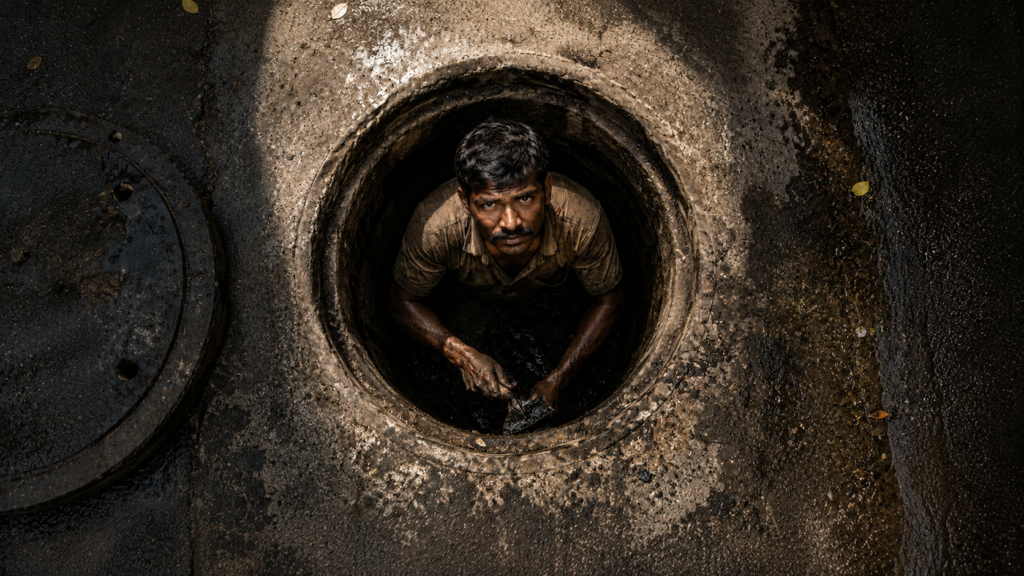
Hyderabad is one of the fastest-growing cities in India. The population density continues to rise. Older residential areas have pipelines that have been in place for decades. And any repairs can be difficult due to the busy roads.
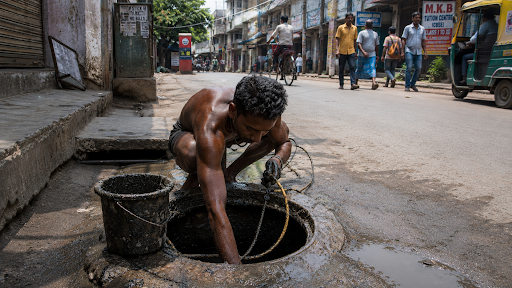
Before this project, HMWSSB was using push cameras. These have limited visibility and can only be used on smaller pipes (under 200 mm). There was also no GPS functionality.
This meant:
- No accurate identification of the issue’s location.
- Only 1-2 sites a day could be covered.
- Reactive repairs due to no visibility of pipe conditions.
They were receiving 60-70 complaints daily relating to water quality and disruptions. Many of these were coming from older areas. As there was no idea of where the issue was, they had to chase it up.
Cons of the prolonged reactive inspection
1. Water loss
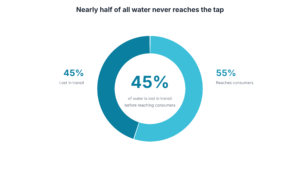
Industry estimates suggest 40-50% of treated water is lost in transit in cities in India. This contributes greatly to non-revenue water. All of the water has already been treated and pumped, so it is a waste.
2. Public Health Risk
If there is a leak from a ferrule or root penetration within the drinking water pipes, it creates a contamination risk. If the pressure is low, this can cause pollution from the groundwater/sewage to be pulled into the supply.
3. Cost
Without accurate information, crews have to visit multiple times and dig trenches to identify the issue. This disrupts the roads.
4. No digital record
There was no digital record of the pipe conditions. This meant there was no baseline information to determine which areas needed rehabilitation.
The Solution: Endobot & Swasth AI
We use a combination of robotic inspection and AI analysis to provide accurate and identifiable information.
Step 1: Select Area to Inspect
We do not carry out inspections randomly. We will prioritise areas with HMWSSB engineers to inspect, often starting with areas with high complaints in the MMC complaint system.
Step 2: Inspection with Endobot
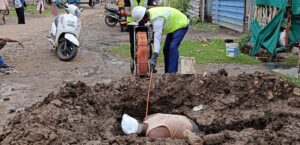
Our robot crawls inside the live pipes (from 90mm to 600mm). While inside, it provides live 360° HD video feed. This allows us to identify cracks, corrosion, build-up, illegal tapping and blockage inside the piping.
There is a process when undertaking inspections. First the area is prepared and de-watered. Next the robot is deployed. Once deployed, all defects are identified and marked with GPS and timestamps. A risk assessment is undertaken based on likelihood and consequence. Finally, we create a GIS map.
Step 3: Defect Detection with Swasth AI
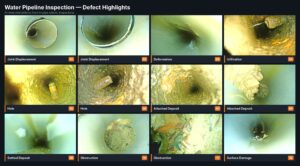
The video is analysed using Swasth AI. Any suspicious are as are highlighted. All defects are identified as either structural or operational. Each defect is given a grade:
Grade 2: Minor issue, can be monitored.
Grade 3: Medium issue; can be repaired.
Grade 4: Major issue, must be resolved urgently.
Step 4: Mapping the pipeline network
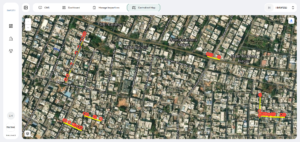
Using the mapping function in Swasth AI, we can map the areas we have inspected and highlight the location of each defect on a satellite image. By zooming in on a specific street, trends can be identified within zones. An engineer can also click into the exact video relating to a specific defect. This makes fixing issues much easier, as we can pinpoint them to within a metre.
Step 5: Dashboard
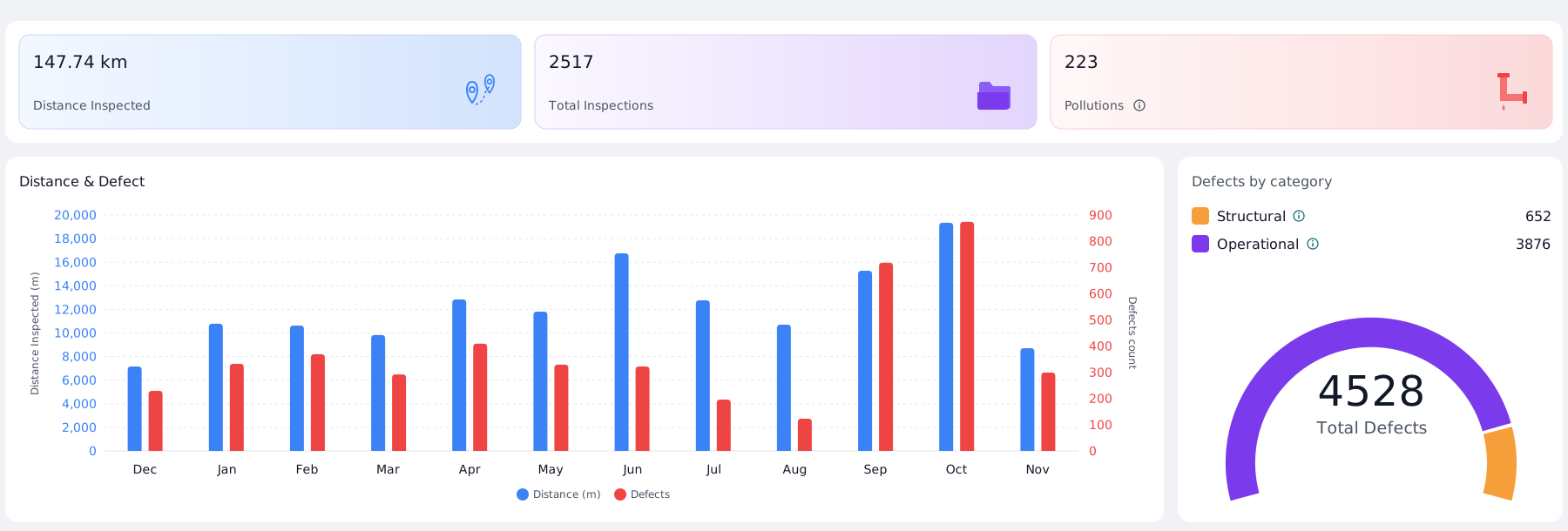
The Swasth AI dashboard provides all the information related to the inspections. The dashboard displays the number, type and location of identified defects. This is sorted into HMWSSB’s structure, meaning that they can monitor progress and view monthly summaries. They can also view their own area.
 HMWSSB Pipeline Inspection Case Study->
Technology Comparison
Parameter | Solinas – Endobot | Existing Push Camera |
Image Quality | HD, 360° internal view | Basic internal video |
Pipe Diameter Range | 90mm–600mm | <200mm |
Daily Sites Covered | 4–5 | 1–2 |
Data Recording | GPS-tagged, video | Manual notes |
Reporting Format | GIS-linked dashboard | Paper-based logbooks |
Result of the Pilot Pipeline Inspection using Endobot and Swasth
The pilot (supported by Water.org & ASCI) tested whether robotic inspections were feasible within the live network and whether the data would be useful to engineers. We proved it was.
The most common issues were:
- Joint Misalignment (45)
- Encrustation (30)
- Stone Blockage (20)
- Ferrule Leak (18)
- Surface Damage, Cracks & Holes.
- Root Penetration.
80 defects were grade 4, meaning they needed urgent attention. Over 70% were on pipes over 15 years old, meaning it makes a strong case for prioritising older pipes for rehabilitation.
Aliabad had an estimated 1500 litres leaking daily. RS Nagar had 950 litres and Saroor Nagar 400 litres. By repairing the identified sections early, we could save over a million litres a year.
Key findings from the Pilot pipeline Inspection with HMWSSB:
RS Nagar:
A 30-year-old ductile iron pipe running near Mahankali Temple had a major root penetration and encrustation. This was highlighted, as it would require complete rehabilitation.
Aliabad:
A ferrule leak on a pipe supplying multiple residential blocks was causing a contamination risk. This was isolated and repaired due to our report.
What has changed after the pipeline inspection for HMWSSB?
- Repairs are prioritised based on severity and risk.
- Pollution-related defects can be identified and isolated to a specific section.
- The defects are identified so crews know exactly where to dig.
- For the first time, HMWSSB has an asset health register. This provides a visual baseline of the condition of the pipes with GPS tagging. This will help with planning audits and capital works.
- By repairing leaks early, less treated water is lost, and less energy is used to repump.
A Big Thanks to HMWSSB
In June 2025, you gave us a 4 km, 1-month pilot to prove a new way of viewing your network.
This pilot has grown into a long-term engagement and shows your willingness to try something new and provide safe and reliable water for Hyderabad. We are proud to work with HMWSSB and can’t wait to see what we build together.
Thank you also to Water.org and ASCI for supporting our pilot.
Are you managing a water, sewer, or stormwater network and want to see inside?